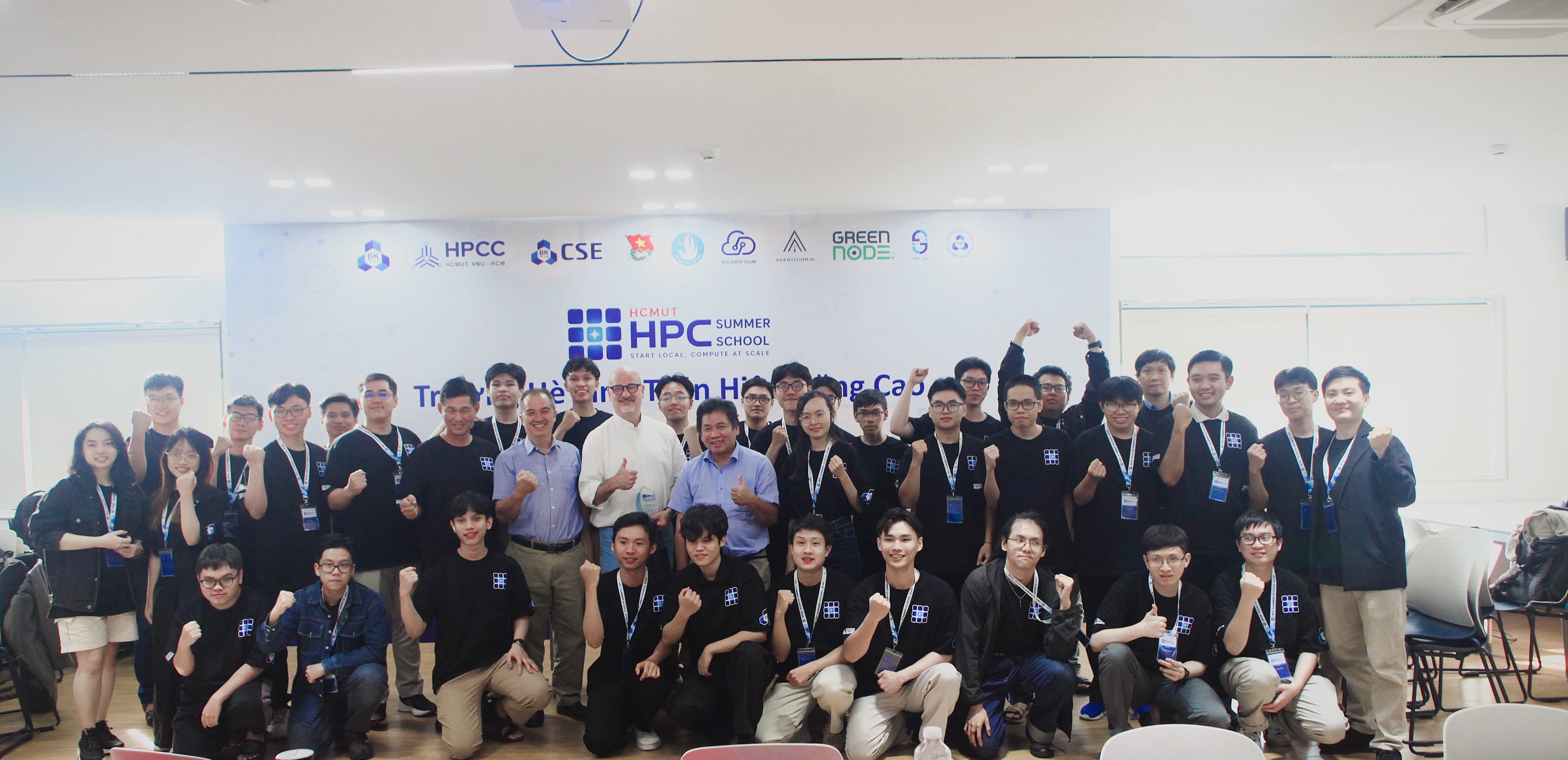
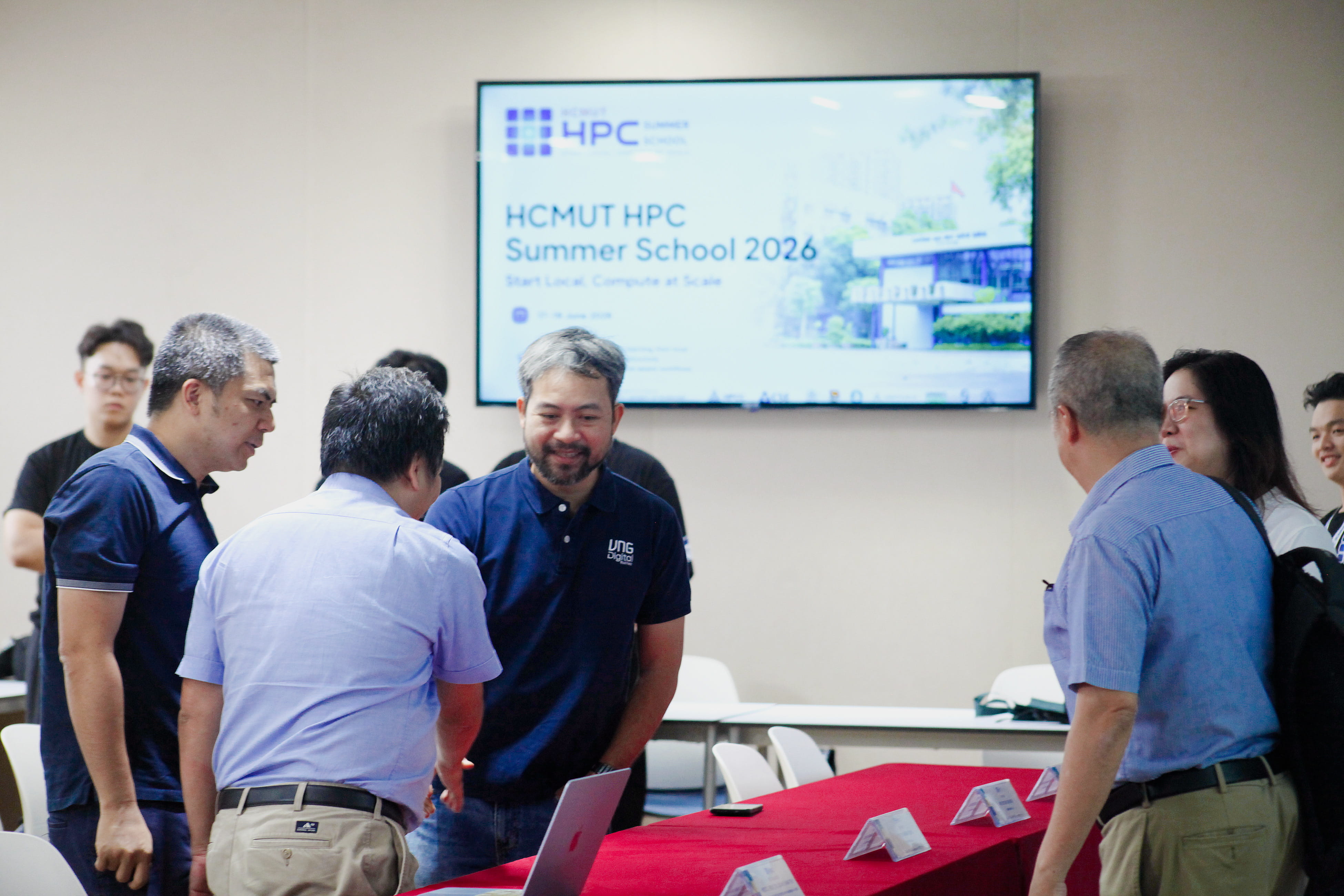
From 17 to 19 June 2026, the High Performance Computing Lab (HPCC), HCMUT, VNU-HCM and the Faculty of Computer Science and Engineering, HCMUT, VNU-HCM organized the first HCMUT HPC Summer School 2026 under the theme:
Start Local, Compute at Scale.
The school was designed as a practical entry point for students who want to understand how modern high-performance computing systems are used to support parallel computing, AI workloads, reproducible experiments, and emerging LLM-based workflows.
Across three full days, the program brought together selected students from multiple universities, lecturers and researchers from HCMUT, teaching assistants, student volunteers, industry partners, and international community supporters. More than a short technical training event, the school served as an initial effort to build a student-facing HPC learning community at HCMUT and in the wider region.
Big Data Club, HCMUT played an important role in student organization, communication, logistics, participant support, event operations, and volunteer coordination throughout the program.
The school positioned HPC not as a distant research infrastructure, but as a practical, accessible foundation for students working on AI, data, and scientific computing — starting from the local cluster at HCMUT.
Strong Interest from Students
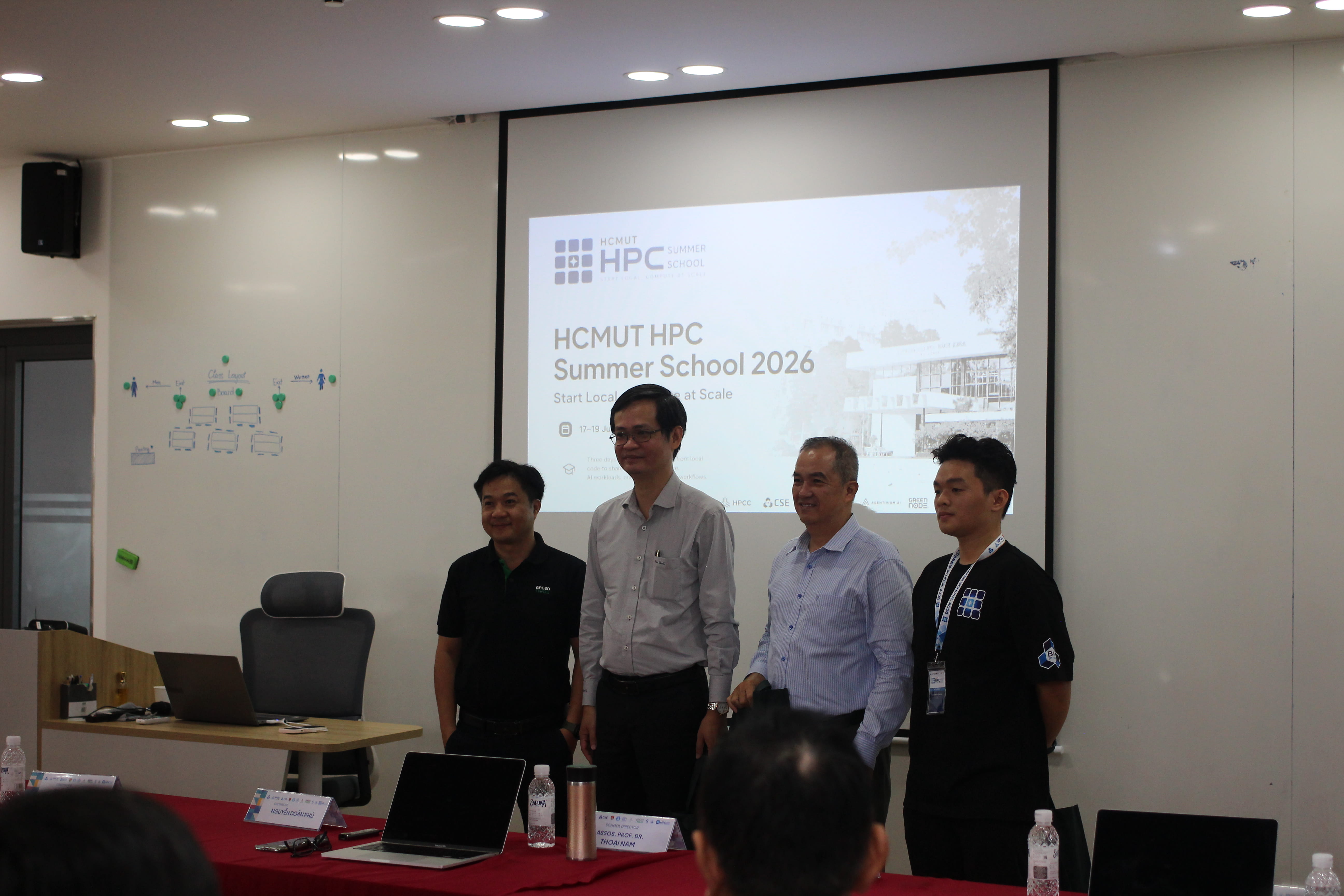
The first edition received 125 valid applications from 11 universities, reflecting strong student interest in high-performance computing, AI infrastructure, and scalable computing systems.
From this applicant pool, 36 students were selected to join the school. The cohort included students with different levels of preparation, ranging from those already familiar with AI and Linux environments to those taking their first structured steps into cluster computing, parallel programming, and GPU-based workloads.
This diversity shaped the spirit of the program: the school was not only about introducing HPC concepts, but also about helping students experience what it means to work with real shared computing infrastructure.
A Hands-on Curriculum Around Modern HPC Workflows
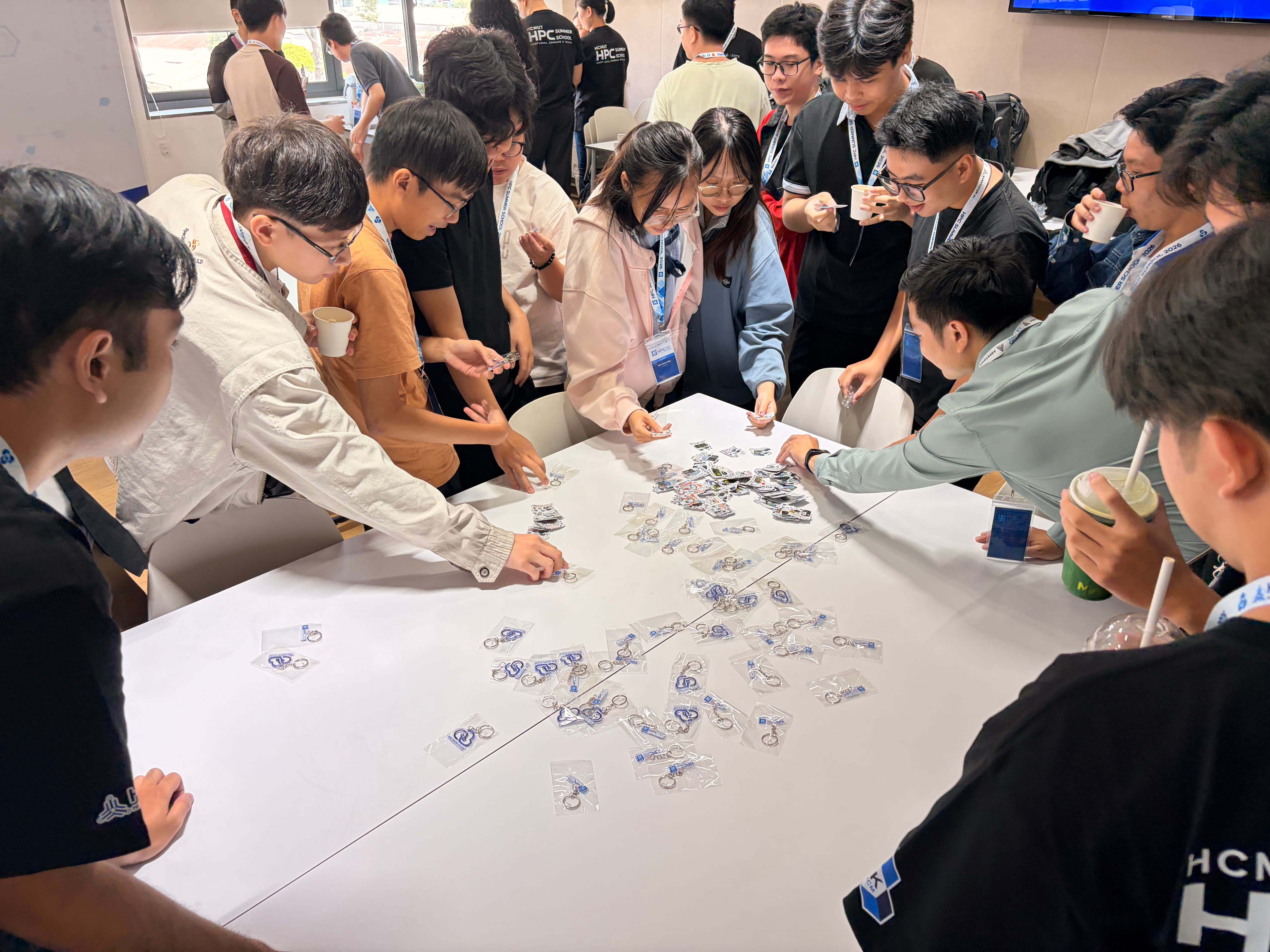
The curriculum was organized around a progression from HPC foundations to practical AI and LLM workloads.
On the first day, students were introduced to the fundamentals of high-performance computing, cluster architecture, Slurm-based job scheduling, and parallel programming with OpenMP and MPI. These sessions helped students understand how computation is organized, submitted, allocated, and executed on shared HPC systems.
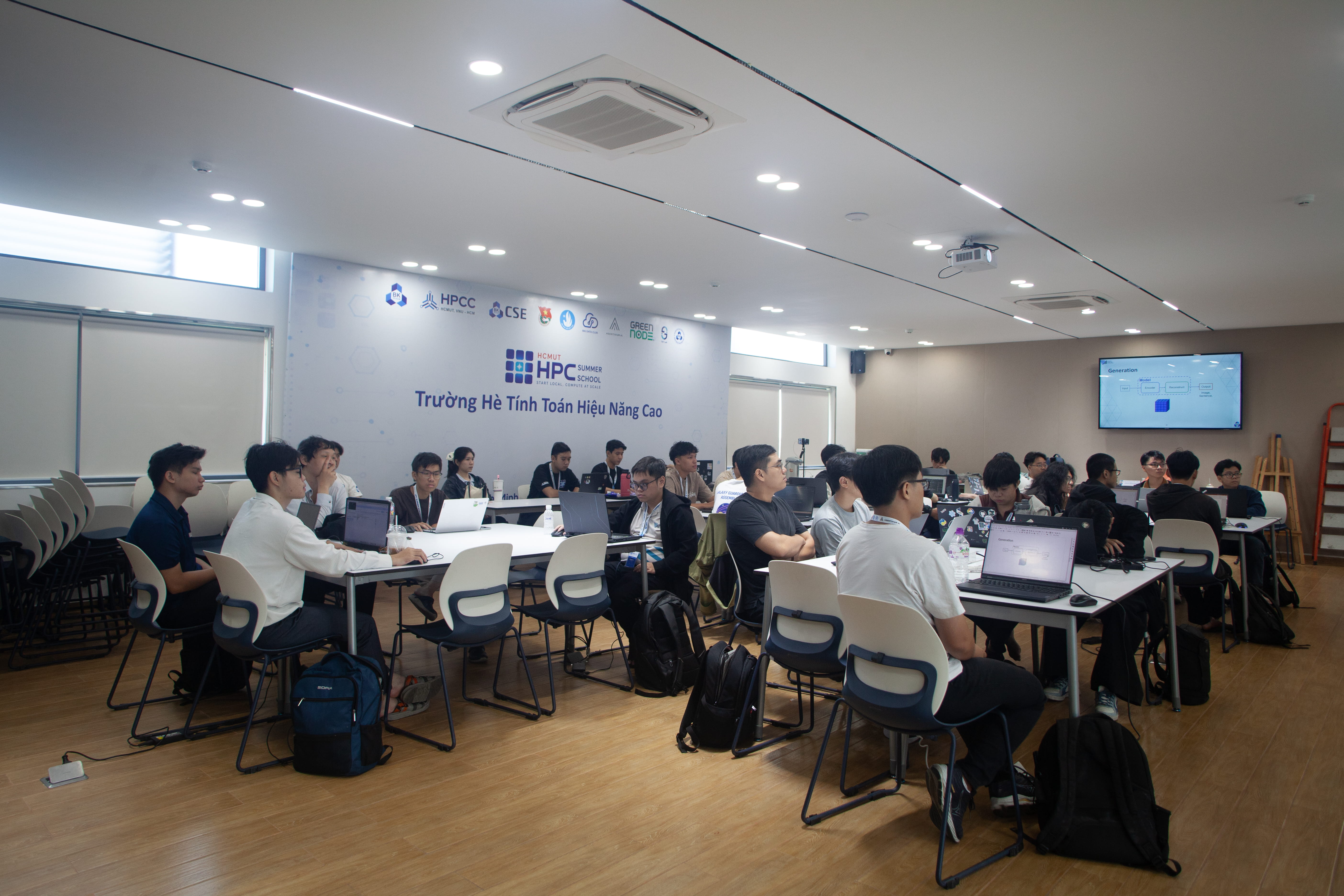
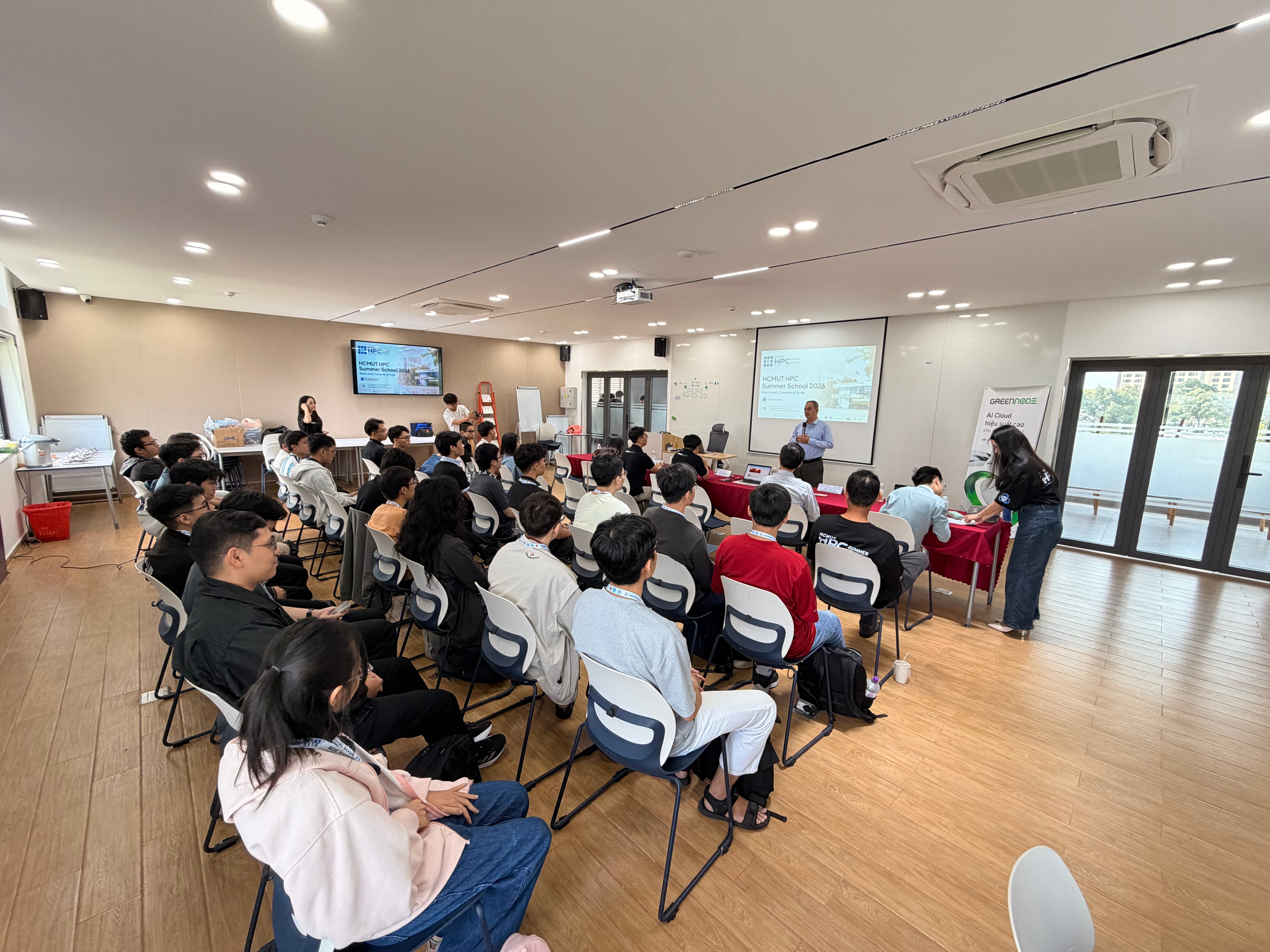
The second day focused on AI and reproducibility. Students explored computer vision and deep learning workloads, resource-aware GPU usage, and reproducible experiment environments using Apptainer. The program also introduced LLM serving, multi-agent systems, and AI infrastructure, connecting traditional HPC training with current developments in AI systems.
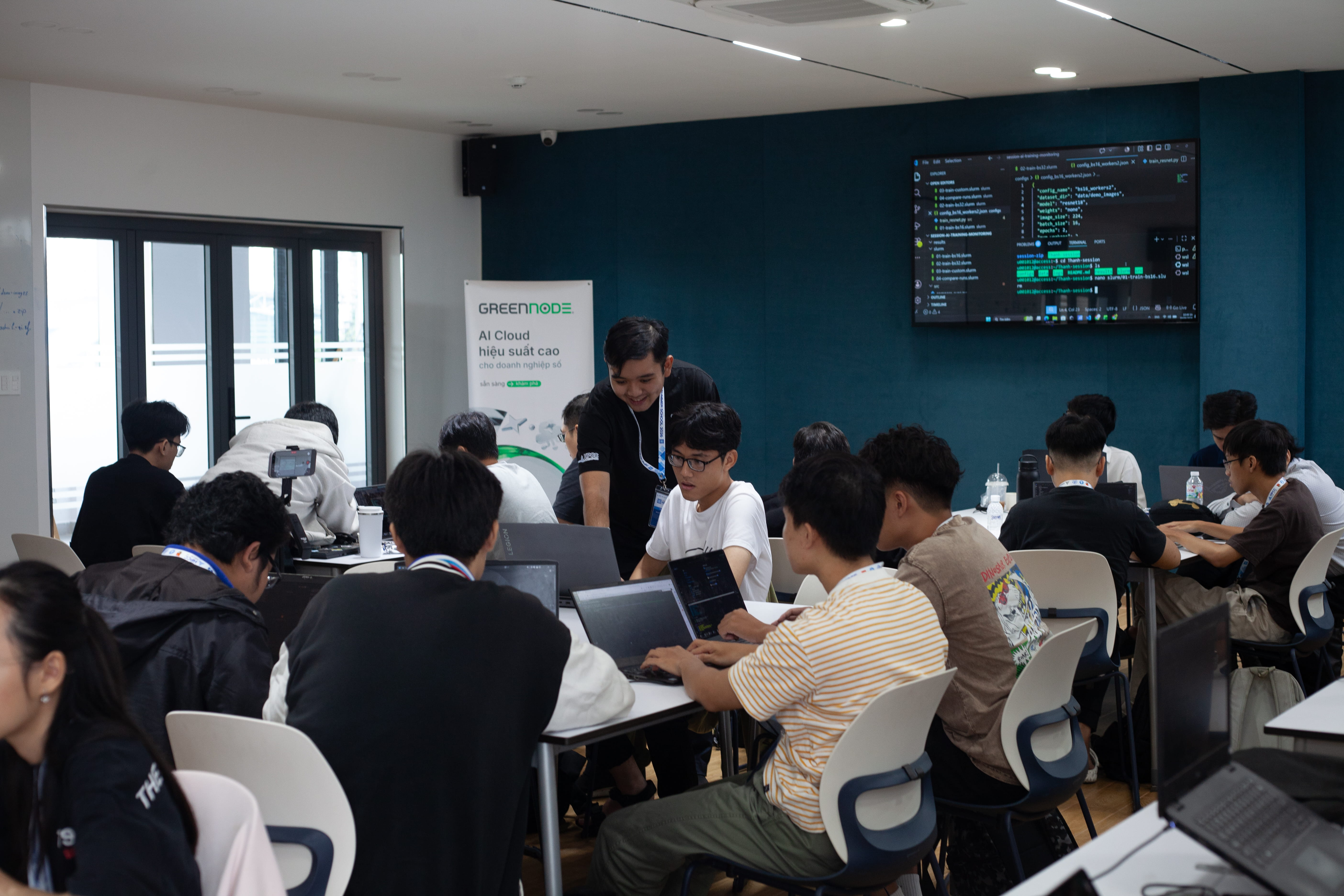
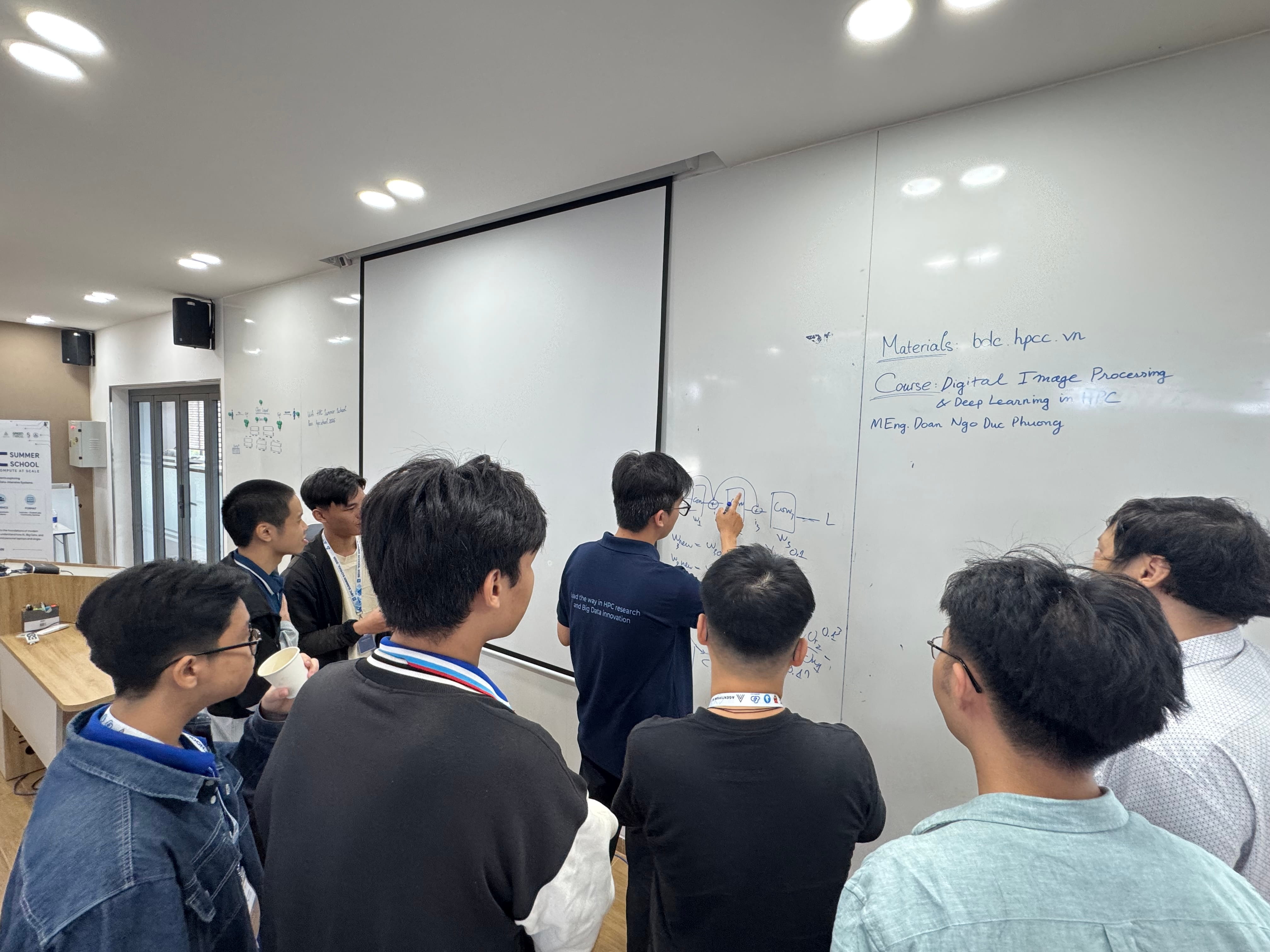
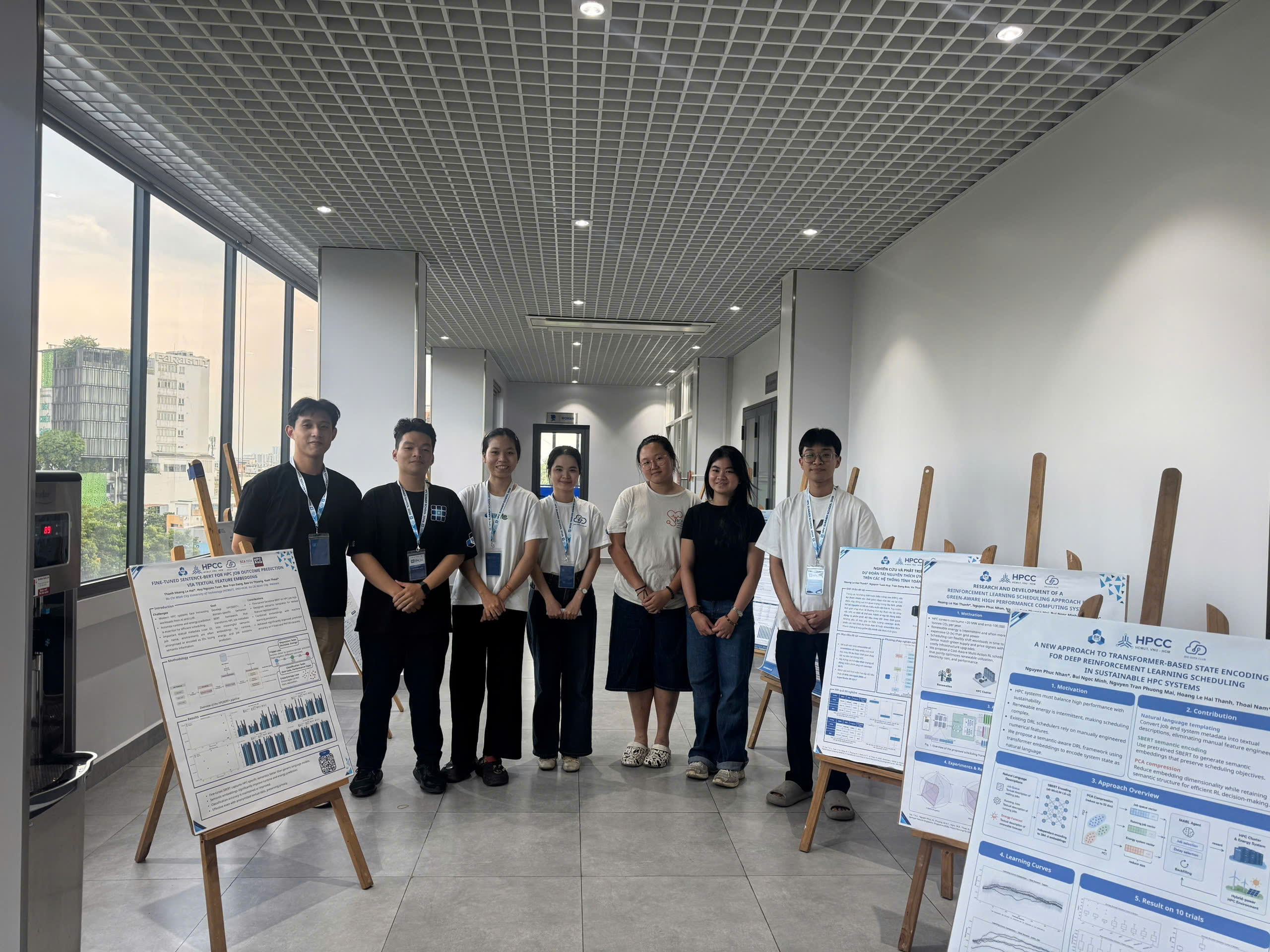
The third day centered on a mini hackathon, where students worked in teams on a practical challenge involving distributed LLM workflows. The task required them to reason about correctness, execution time, resource usage, reproducibility, and the limitations of naive single-model approaches. This gave students an opportunity to integrate what they had learned throughout the school into a concrete team-based system-building exercise.
Mini Hackathon: Learning Through Integration
The Mini Hackathon was one of the central learning activities of the school. Instead of treating assessment as a purely individual quiz or report, the hackathon asked students to work together under realistic technical constraints.
Teams had to design and run workflows on shared infrastructure, manage execution behavior, and think carefully about how to balance performance, resource usage, and output quality. The challenge reflected a broader direction in modern computing: AI applications are increasingly dependent not only on model capability, but also on the infrastructure used to serve, coordinate, and scale them.
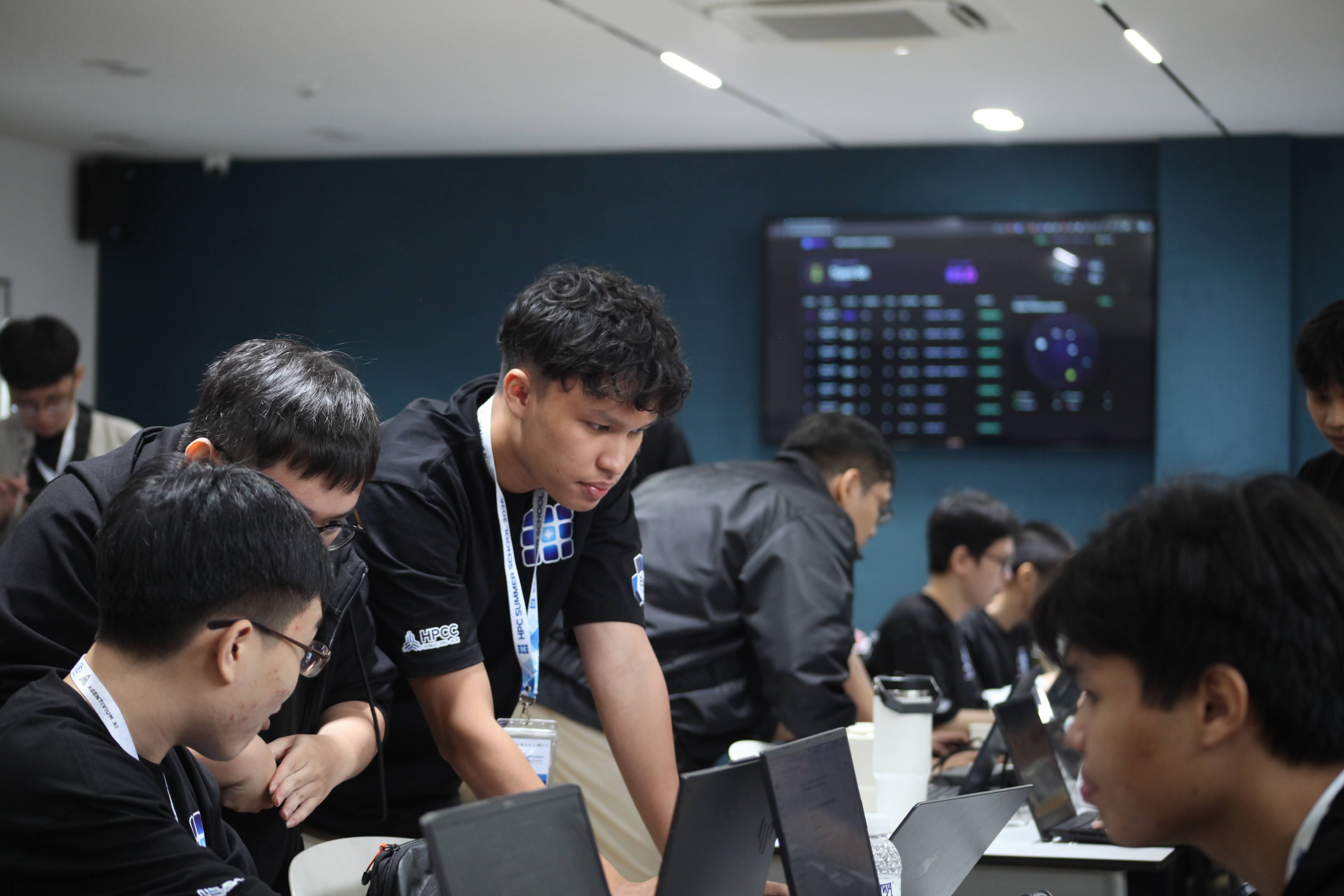
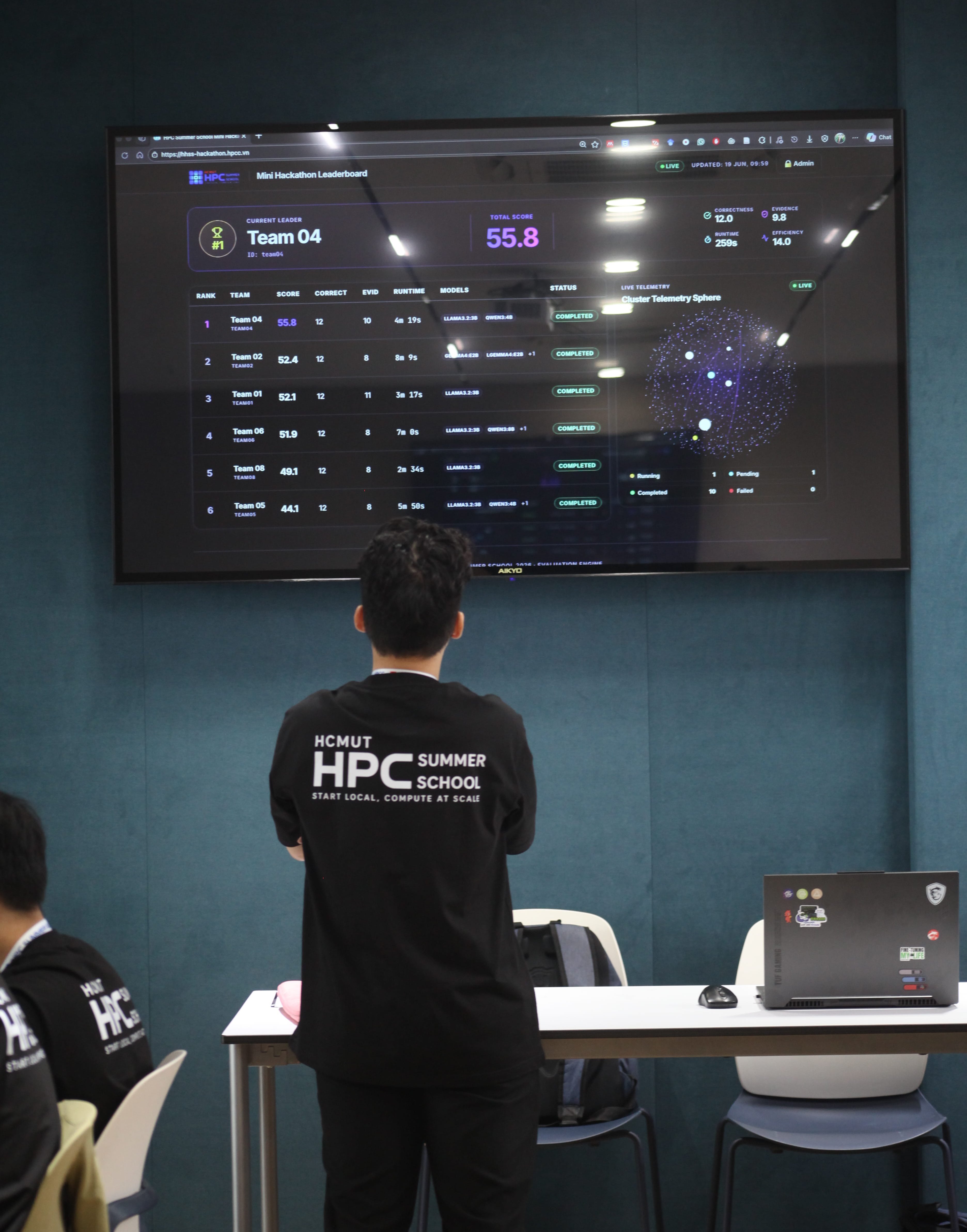
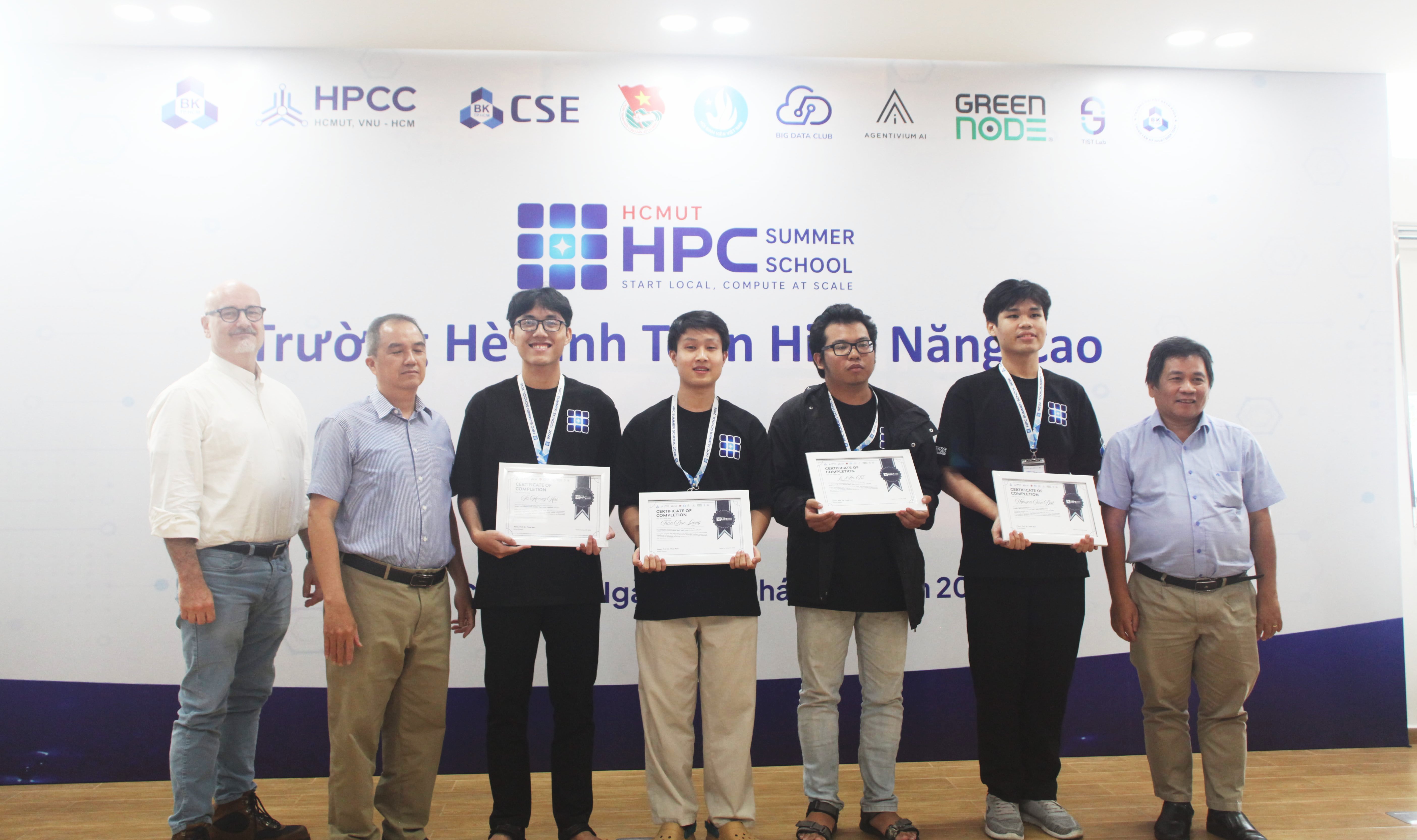
The top-performing teams presented their work during the final afternoon session, giving the cohort an opportunity to learn from different design choices and implementation strategies.
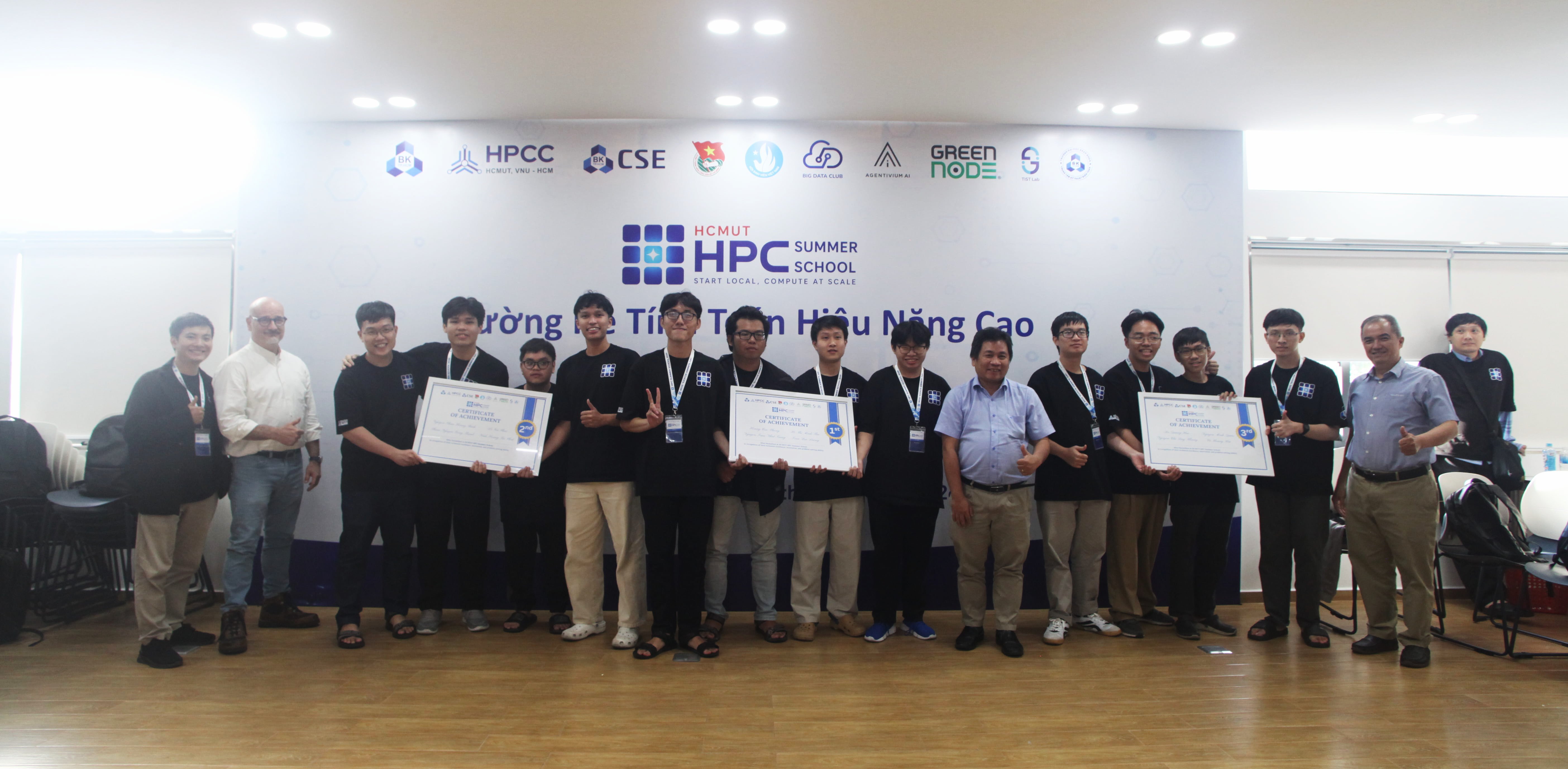
International and Community Perspectives
The final afternoon expanded the school beyond local technical training. Students heard from invited speakers and international supporters who shared perspectives on HPC, computing communities, ACM activities, and global engagement.
The school was honored to receive support and contributions from:
- Prof. Worawan Diaz Carballo and her students from the Thammasat University ACM SIGHPC Student Chapter, who supported the school from its early ideation stage and helped connect HCMUT HPC Summer School with ACM, the international HPC community, and regional student-led HPC initiatives;
- Prof. Fabrizio Gagliardi and his team, who helped amplify the spirit of the school within ACM and supported the school through ACM digital engagement and encouragement for student-centered HPC education;
- George Neville-Neil, Co-Chair of the ACM Global Engagement Board, who joined the school onsite and shared perspectives on professional computing communities and global engagement;
- Dr. Chung Thanh Minh from the Leibniz Supercomputing Centre, who contributed an international HPC infrastructure perspective and connected students with broader directions in HPC, quantum computing, AI-driven co-design, and advanced computing systems.
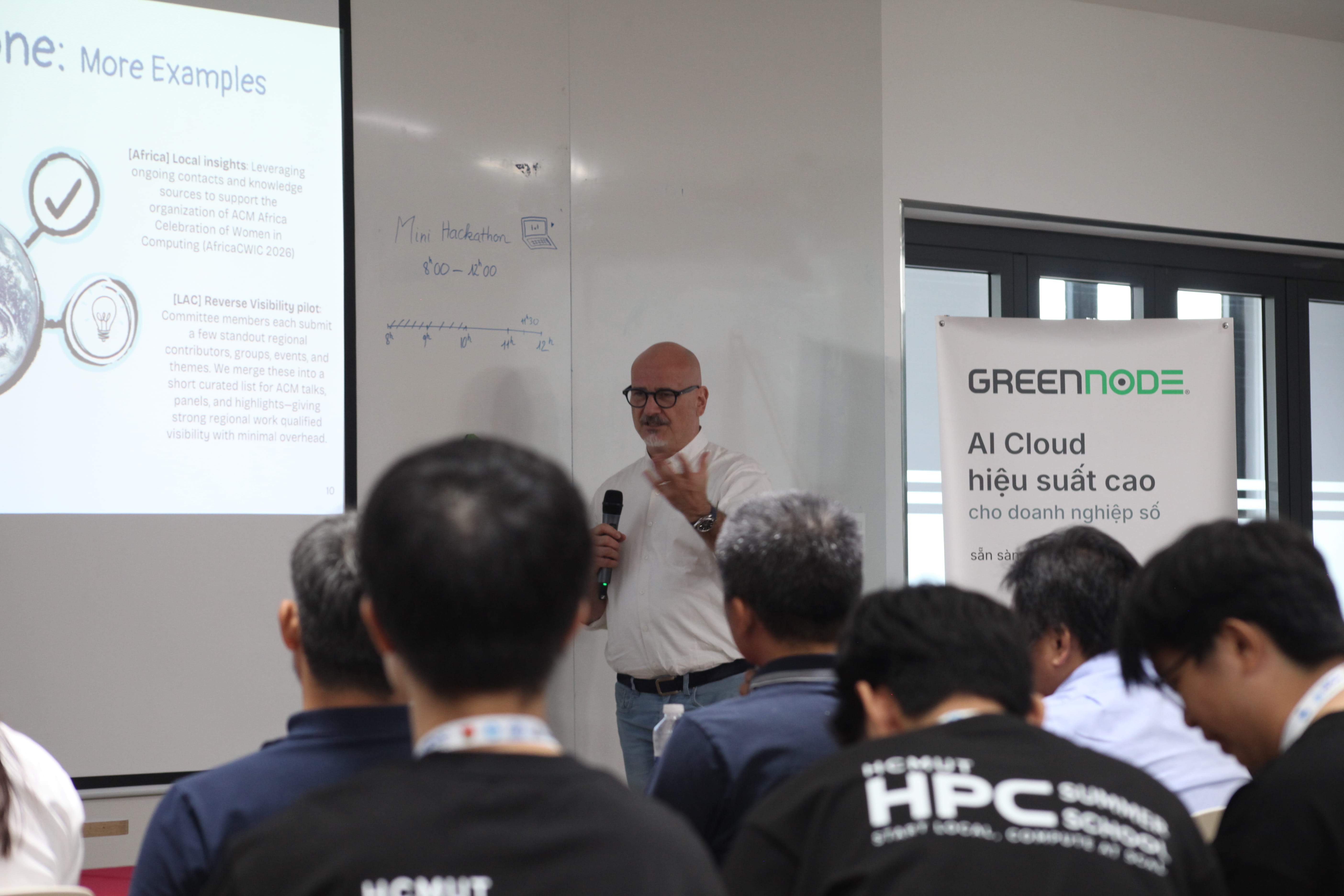
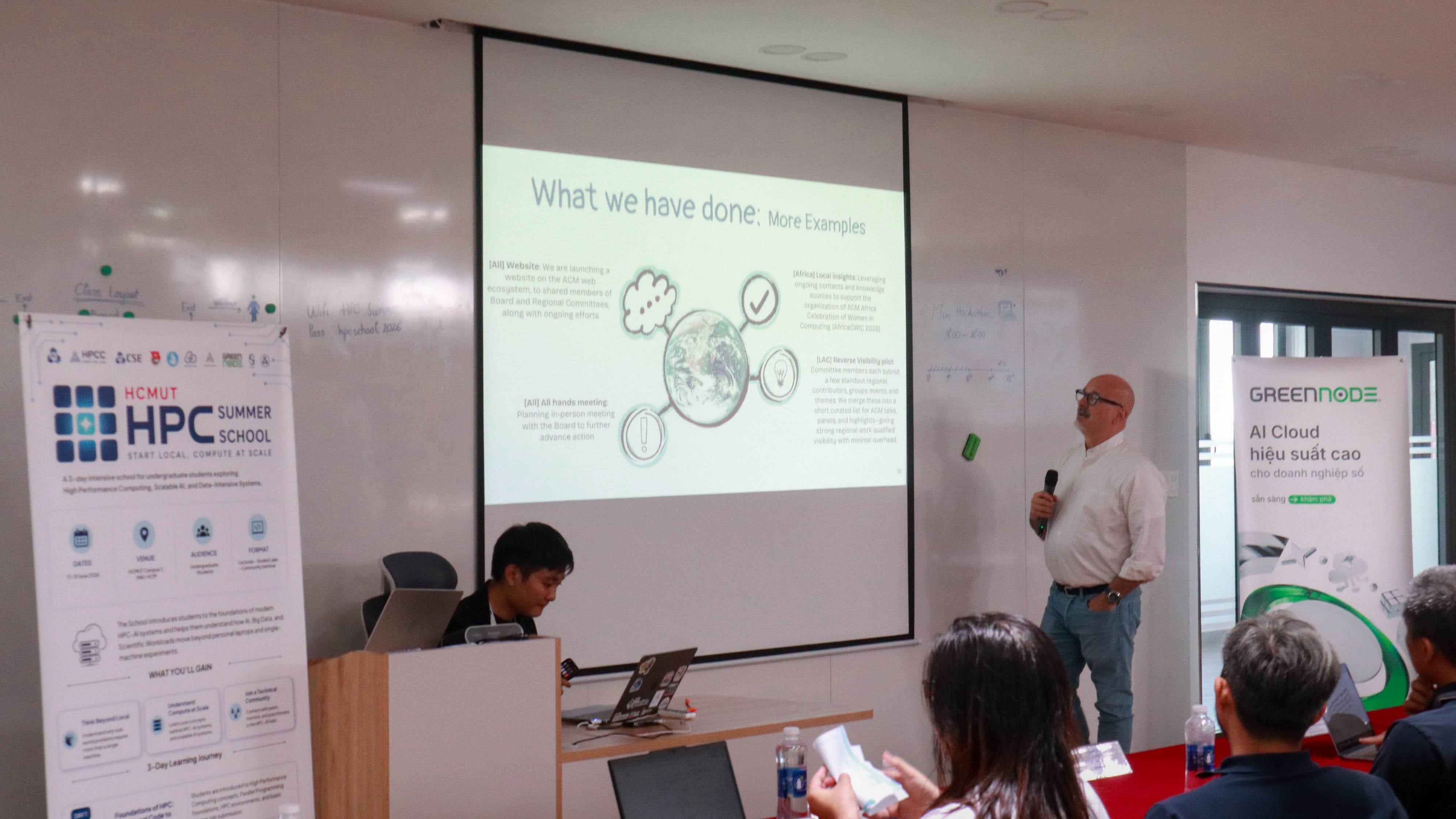
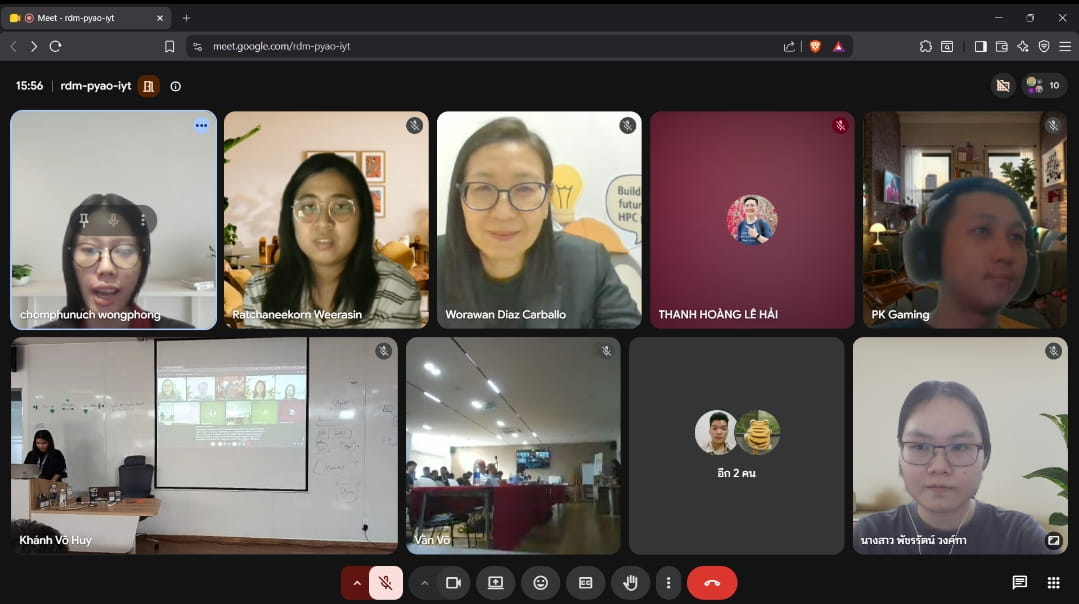
Their participation helped connect the local school to a broader international HPC and computing community. The discussions around ACM, student chapters, regional engagement, and HPC education highlighted that building technical capacity also requires building communities, networks, and long-term learning pathways.
Positive Feedback and Lessons for Future Editions
Post-school feedback showed that students found the program valuable, especially in practical areas such as Slurm job management, AI/HPC workflows, reproducible environments, and hands-on technical support.
Students also expressed strong interest in future advanced editions of the school. This suggests that the first edition successfully created not only a short-term learning experience, but also a foundation for continued engagement.
At the same time, the organizing team identified several areas for improvement, including earlier preparation materials, clearer lab scaffolding, stronger infrastructure access testing, and a more spacious format for advanced hands-on topics. These lessons will guide the design of future editions.
Public Materials
Public photos, school materials, and the public report are available at the links below:
Open Access Community Contribution
In the spirit of building a broader HPC learning community, HPC Lab and the organizing team are releasing the school's teaching materials — including slides, documents, hands-on labs, and tutorials — as open access resources. Educators, students, and practitioners are welcome to reuse, adapt, and share them to support HPC education beyond HCMUT.
- Public photo album: HPC Summer School 2026 photo album on Google Drive
- School materials (slides, documents, hands-on labs, tutorials): HCMUT HPC Summer School 2026 materials on Google Drive
- Public report: HCMUT HPC Summer School 2026 Report (PDF)
Looking Ahead
HCMUT HPC Summer School 2026 marked an important first step in making HPC more accessible to students through practical, local, and community-supported training.
As AI workloads, scientific computing, and data-intensive applications continue to grow, students will need more than theoretical knowledge of algorithms or models. They will need to understand how computation is scheduled, containerized, scaled, measured, and reproduced on real infrastructure.
Through this first school, HPCC and the Faculty of Computer Science and Engineering hope to continue building a learning pathway where students can start locally, gain hands-on experience, and gradually connect with larger research, engineering, and international HPC communities.
Start Local, Compute at Scale.